
Pool plastering is a major upgrade for any aging pool, especially in El Cajon where heat, hard water, and heavy use can wear down a surface faster than expected. Over time, plaster can become rough, chalky, stained, or faded. If your pool shows those signs, it may be time to consider professional pool plastering, pool resurfacing services in El Cajon, or a more complete pool remodeling project.
A resurfaced pool does more than look better. It can feel smoother underfoot, improve the overall appearance of the backyard, and help maintain better water quality when the finish is worn down. The right choice depends on the condition of the pool shell, the finish you want, and whether you need a small refresh or a more substantial renovation. If your pool also needs work around the waterline, tile, or coping, it may be worth reviewing pool coping replacement and your available pool finish options before deciding.
When should you consider pool plastering or resurfacing?
Many homeowners wait too long to address surface problems because the signs are easy to ignore at first. Some common indicators that your pool may need plastering or resurfacing include:
- Chalky or powdery plaster that feels rough underfoot
- Stains that return even after proper brushing and chemical balancing
- Visible cracks, flaking, or a patchy finish
- Faded color that makes the pool look older than it is
- Frequent maintenance issues caused by an aging surface
If your pool is showing several of these issues, a resurfacing project can often restore the look and comfort of a pool without the cost of a full rebuild. For homeowners comparing the right approach, a local El Cajon pool service team can help determine whether you need a simple surface refresh or a larger pool remodel. It is a practical option when the structure is still solid but the surface has reached the end of its life.
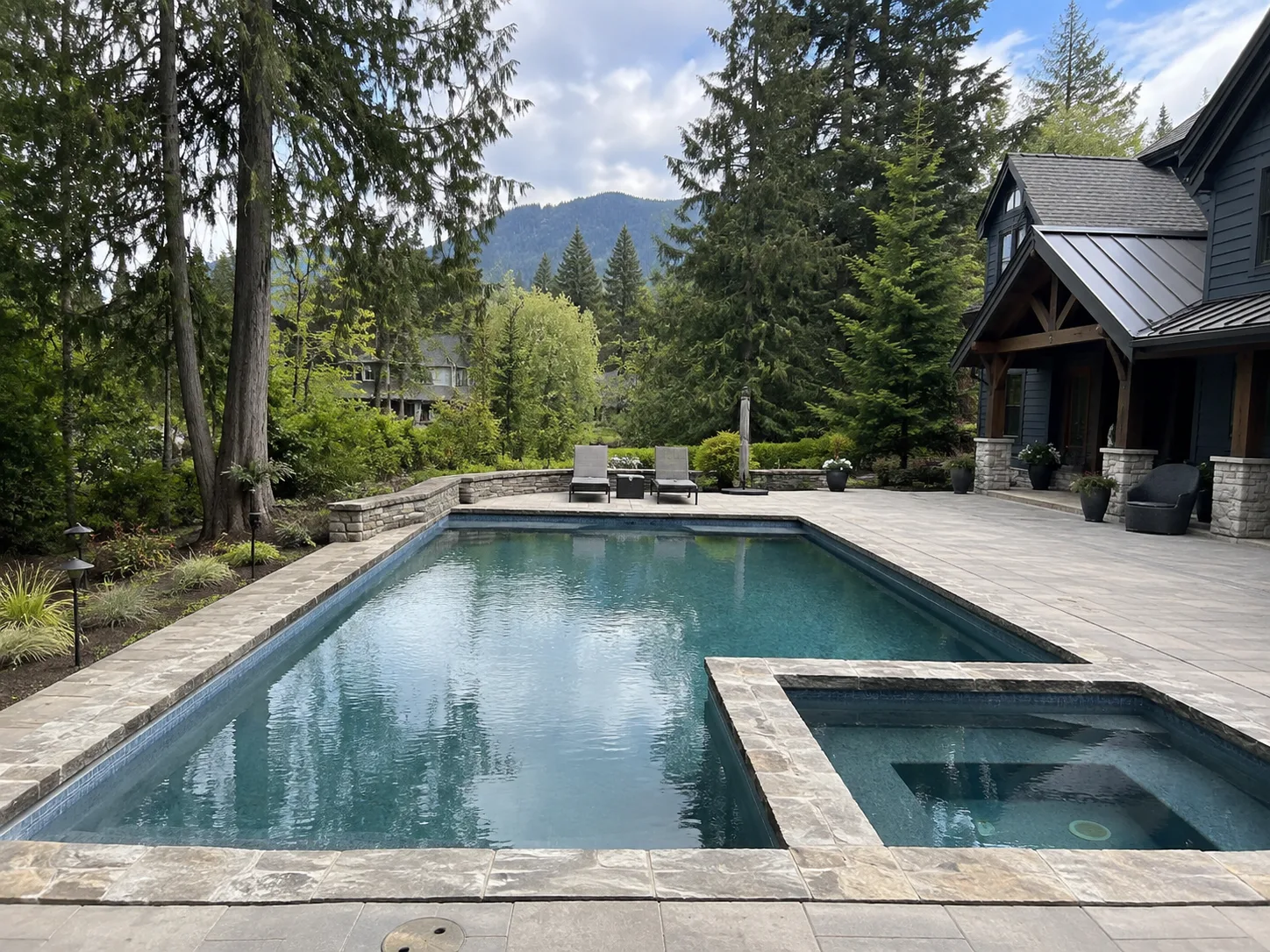
Pool plastering vs. pool resurfacing: what is the difference?
These terms are often used interchangeably, but they are not always the same scope of work. Pool plastering usually means applying a new finish to the pool shell. Pool resurfacing is a broader term that can include plaster, pebble, quartz, or other surface systems depending on the homeowner’s goals.
For example, a pool that only needs a cosmetic refresh may only need a fresh plaster finish. A pool that has worn tile, older coping, or a dated finish may benefit from a full resurfacing or remodel that updates the entire look of the backyard. The best path depends on the condition of the pool and how much change the owner wants.
What finish should you choose?
Many homeowners choose plaster because it is a classic, clean finish that works well for a wide range of pools. Others prefer a more decorative option like pebble or quartz because of the look, durability, and texture.
There is no single best choice for every pool. If you want a simple, traditional finish and the pool is structurally sound, plaster is often a cost-conscious option. If you are deciding between classic plaster and a more decorative finish, compare pebble finish and beadcrete finish options before committing to a new surface. If you want a more premium look, a more textured finish, or a pool that feels slightly more upscale, a pebble or quartz surface may be worth it. A good contractor can help you compare the options based on your budget, maintenance goals, and design preferences.
What happens before resurfacing starts?
A quality resurfacing job begins with preparation. The existing surface should be evaluated, the shell should be checked for problems, and any repairs should be addressed before the new finish goes on. This step is especially important because a new finish will only last as long as the surface beneath it.
If the pool has damaged coping, worn tile, or visible cracks, those issues may need to be corrected before the finish is applied. In many homes, a full pool remodeling or resurfacing plan is more effective than a quick patch because it addresses the whole system, not just the surface. In some cases, the pool may need a more complete renovation instead of a simple surface refresh. That is why a thorough inspection matters before the project begins.
How long does a resurfaced pool last?
Resurfaced pool finishes do not last forever, but they can serve homeowners well for many years when installed correctly and maintained properly. Lifespan varies depending on the material, pool usage, local water conditions, and chemistry maintenance.
A plaster finish may remain serviceable for years with regular care, while more durable surfaces can last even longer. Even the best finish will age faster if the water is not balanced or if there are issues with cleaning, circulation, or maintenance. A strong resurfacing project is only part of the equation—ongoing upkeep matters too.
What should you look for in a pool contractor?
Choosing the right pool contractor is one of the biggest decisions in the process. You want a team that explains the options clearly, examines the pool before pricing the work, and does not rush into unnecessary changes. A reliable contractor should be transparent about materials, project timing, and what the finished pool should look like after installation.
Local experience matters too. Pools in El Cajon face warm weather, sunlight, and water chemistry conditions that can vary from one neighborhood to another. A contractor who understands those conditions and has experience in the region is often a better fit than a generalist who does not work regularly with residential pool surfaces.
When a full remodel makes more sense
Sometimes a pool only needs a surface refresh, but other times a full remodel delivers better long-term value. If the pool has dated tile, worn coping, unattractive finishes, poor layout, or waterline damage, a remodeling project may be a smarter move than a simple replaster.
A remodel can include resurfacing, new tile, updated coping, and other changes that help the pool look cleaner and more modern. For homeowners who want a more polished backyard, this approach can make a dramatic difference without the cost of a complete pool replacement.
What to ask before starting a pool plastering project
Before the job begins, it helps to ask a few direct questions. Ask about finish options, expected project length, what prep work is included, and whether the contractor will handle repairs like tile or coping issues as part of the project. It is also smart to ask how the contractor will protect the rest of the backyard and what the maintenance expectations are after completion.
Clear communication helps avoid surprises. The best contractors explain the process, set realistic expectations, and focus on long-term performance rather than cutting corners. That is especially important when a pool resurfacing project is meant to improve both function and appearance.
Ready to refresh your pool?
If your pool looks worn, rough, faded, or out of date, there is a good chance it is time to consider resurfacing or plastering. A proper pool finish can restore comfort, improve the look of the entire backyard, and help your pool feel new again.
Crystal Vista Pool Tech works with local homeowners and property managers on pool resurfacing, plastering, and remodeling projects designed for long-term durability. If you want to improve your pool in El Cajon, visit our about page, review our full service list, or call (619) 245-9977 to request a quote to get started.
Frequently asked questions
How do I know if my pool needs plastering?
If the surface feels rough, looks chalky, has stains that won’t go away, or the finish is fading, it may be time for pool plastering or resurfacing.
Is resurfacing better than replacing the pool?
Usually, resurfacing is a better fit when the pool shell is still solid and the main issue is the worn surface. A full replacement is typically only needed when the structure itself is compromised.
What is the difference between plaster and pebble finish?
Plaster is a smooth, classic finish, while pebble and quartz finishes tend to be more decorative and durable, with a different texture and appearance.
Can I remodel my pool without a full rebuild?
Yes. Many remodels include resurfacing, coping upgrades, tile updates, and finish changes without requiring a full structural rebuild.
